Mar 7, 2025
Adaptation Is Not a Plan B. It Is Africa's Lifeline
Adaptation
For many Africans, the climate crisis is not a future threat mapped out on graphs. It is the present tense of their lives. That is why adaptation, the work of building societies that can withstand what is already here and what is coming, is not a technocratic footnote to the climate debate. It is a lifeline.
The word adaptation tends to get lost in the bigger, louder arguments about cutting emissions. Mitigation dominates the stage. Net-zero targets, coal phase-outs, and renewable energy pledges suck the oxygen out of every negotiating room from Glasgow to Belém.
These things matter enormously. But for a woman in Somalia who can't feed his family due to drought, or a pastoralist in Chad getting scorched by the heatwave, the conversation about what temperatures the world will reach in 2050 is a distant abstraction. What is concrete is the question of whether her family will have enough will eat this year or whether her children will have water. Adaptation speaks directly to that question.
Africa sits on the harshest climate frontline in the world, pummelled by floods, droughts and cyclones year after year. And yet the continent is still largely left to fend for itself. Although Africa contributes less than 4% of global greenhouse gas emissions, it suffers the worst consequences of climate change and still receives only around 2% of global renewable energy investments. The financing gap for adaptation is even more grotesque.
Promises made in international climate negotiations have repeatedly fallen short of what African nations need to build resilience into their agriculture, water systems, coastal defences, and public health infrastructure.
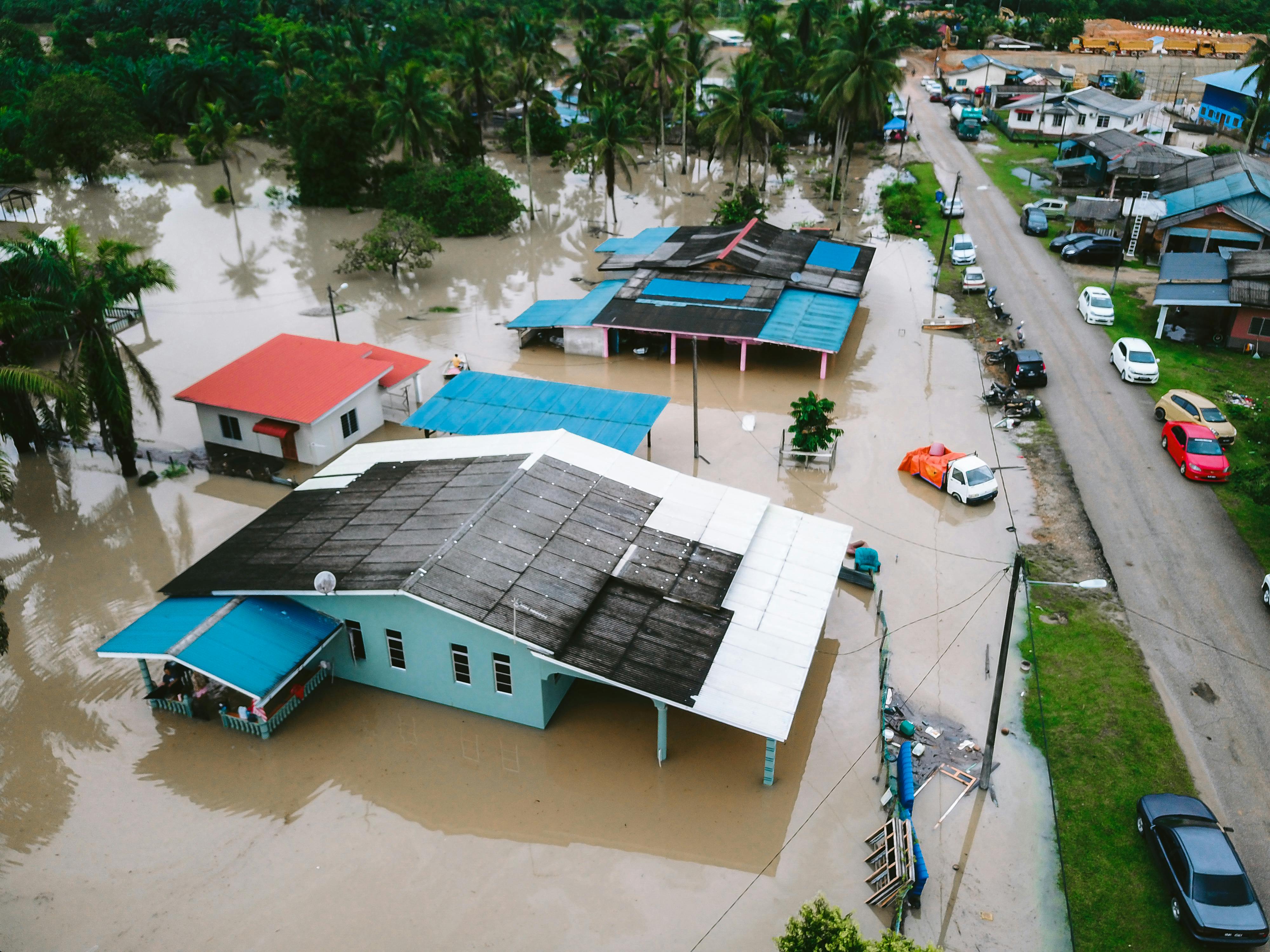
What makes the adaptation challenge in Africa particularly acute is the intersection of climate exposure with structural fragility. Many of the communities most at risk are those with the least institutional capacity to respond. By 2050, more than 70 per cent of cities globally will be exposed to the threat of climate impacts, including floods. In African cities, where rapid urbanisation continues to outpace planning, the stakes are especially high.
But Africa is not passive in this story. Across the continent, communities are innovating with the materials at hand. Technologies such as Living Shorelines, deployed on Kenya's Wasini Island and Senegal's Saly Portudal Island, use natural materials, including plants and shellfish, to enhance biodiversity restoration and reduce erosion. These are not imported solutions dropped in from outside. They are locally rooted, ecologically intelligent responses developed by communities who understand their environments intimately.
Applying Ecosystem-Based and Community-Driven Adaptation Strategies holds immense potential in moving the continent towards low-carbon economies. The Congo Basin, the East African coral reefs, and the mangrove belts of West Africa are not merely biodiversity treasures; they are Africa's first line of defence against rising seas, intensifying storms, and eroding coastlines.
The tragedy is that these natural defences are being dismantled faster than they are being protected. Deforestation, land degradation, and the pressure of extractive industries continue to strip away the ecosystems that buffer communities from climate shocks.
Africa must never allow its natural ecosystems to be pawned in the false market of carbon credits, which puts the power to control nature in the hands of foreign entities at the expense of its custodians: local communities. Adaptation, done right, means keeping those communities at the centre not as beneficiaries of someone else's policy agenda, but as architects of their own resilience.
The global climate conversation is finally, slowly, beginning to treat adaptation with the seriousness it deserves. The Global Goal on Adaptation framework, contested across multiple COP cycles, seeks to give adaptation the formal political recognition it has long been denied.
Whether that recognition translates into adequate, accessible, and appropriately structured finance remains to be seen. What is not in question is the stakes. For hundreds of millions of people across Africa, adaptation is not a policy option to be weighed against other priorities.
It is the difference between a future that is difficult and one that is impossible.