Adaptation and DRR

Africa is one of the most vulnerable continents to climate change and variability, a situation which is further aggravated by its low adaptive capacity and the interaction of factors such as poverty, energy demand and rapid urbanisation.

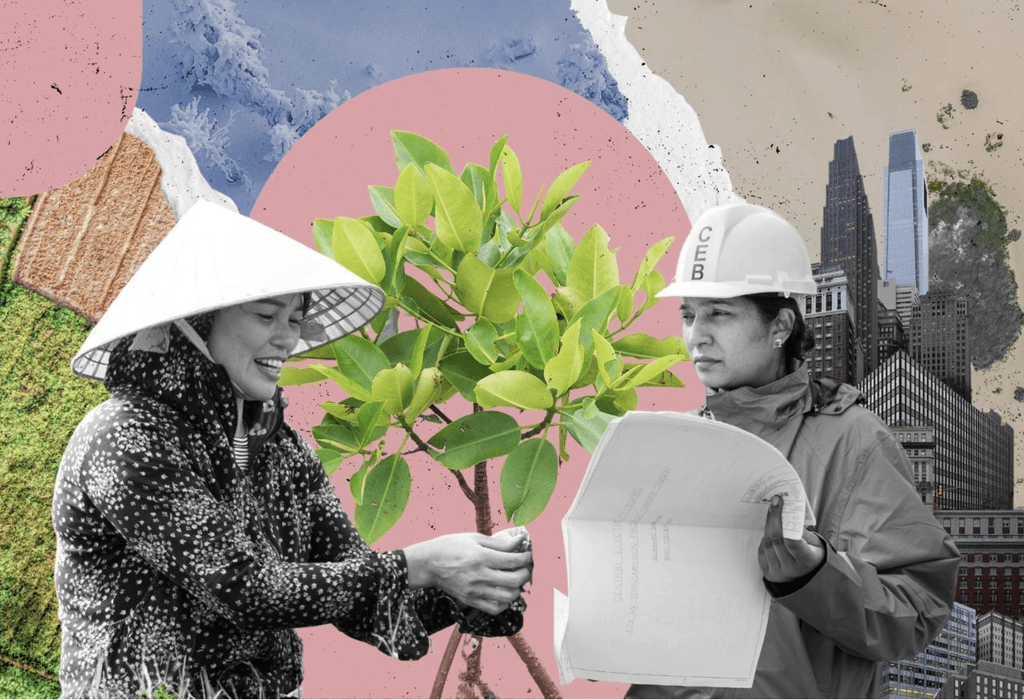
Women. Adaptation. Climate Change

Background

Africa is considered one to be one of the most vulnerable regions to climate change. Historically, climate-related hazards such as drought, flooding, pest and disease outbreaks, coastal storms and heat waves have had devastating impacts on people and the environment in which they live.

Often, the damage knocks back progress in social and economic development, slowing the achievement of development goals. Climate models suggest that many of these climatic hazards will intensify as the global climate warms. Building resilience to climate risks, through adaptation, is critically important for future development in Africa.

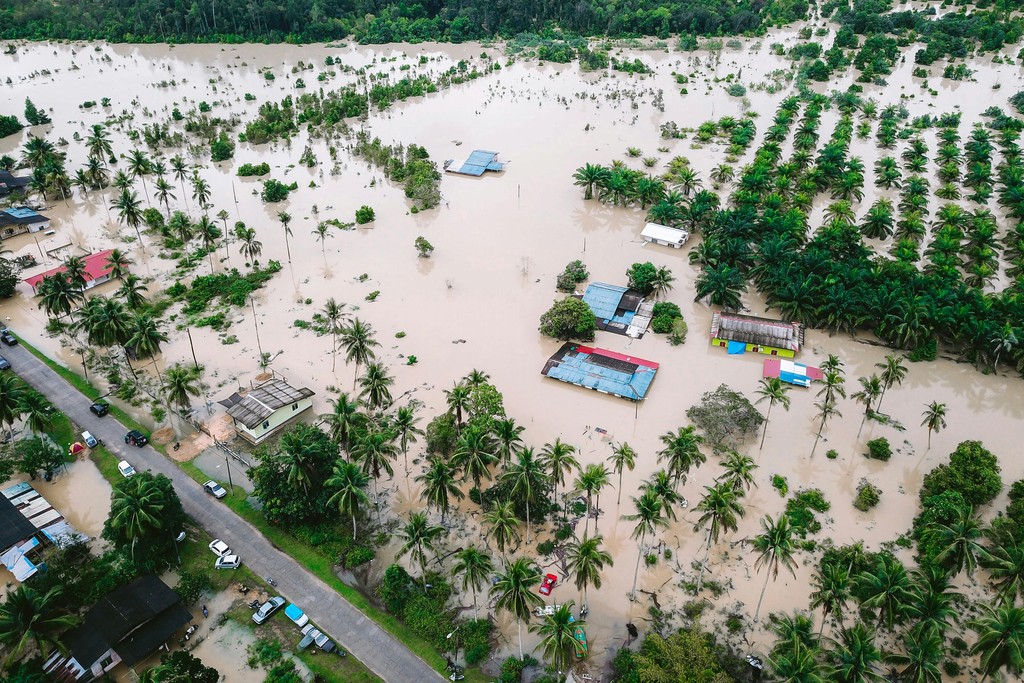
Floods in a city

DEEP DIVE

Africa is at a tipping point. While efforts to achieve the goals outlined in the 2030 Agenda for Sustainable Development and the Paris Agreement could drive positive changes following nearly a decade of economic growth across Africa, climate change threatens to derail these gains. Given that temperatures in Africa are rising and are set to rise faster than the global average during the 21st Century, it is time to mainstream, scale up, and accelerate support for climate change adaptation across the continent.

Recent studies indicate that the true costs of adaptation are likely to be substantially higher than originally projected and will require creative financial mechanisms and substantial engagement with the private sector to be met.

While initial climate change adaptation initiatives show strong potential for economic viability, livelihood enhancement, and vulnerability reduction, long-term sustainability will depend on prevailing levels of poverty, the broader policy and regulatory context, access to markets and financial services, and government capacity to provide ongoing technical support to communities.

This indicates that baseline development is still required to reach targets for poverty reduction and climate action in Africa.

“Real steps need to be taken to empower the nations of Africa to build their resilience to the threats that climate change brings."

Drought

WHAT NEXT FOR AFRICA?

Real steps need to be taken to empower the nations of Africa to build their resilience against the threats posed by climate change. Left unchecked, these threats will erode long-term opportunities for human development, undermining human productivity and capability. They have the potential to create new famines and undermine global efforts to achieve “No Hunger and No Poverty” by 2030.

/ More Project

/ More Project