Health
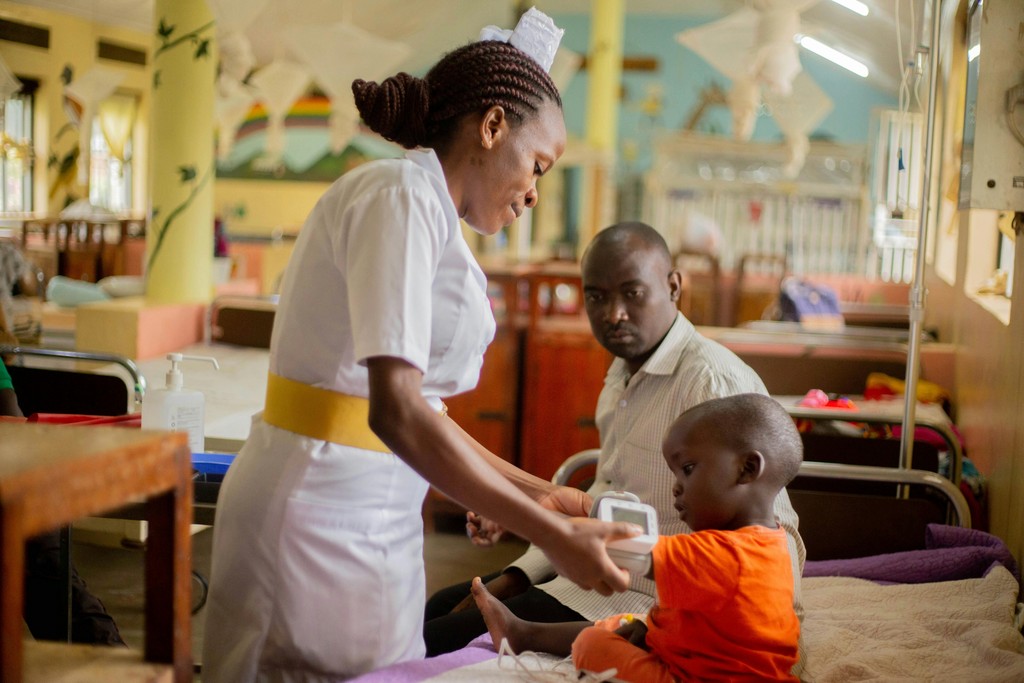
The current state of health in Africa is complex. The region has some of the world’s highest rates of preventable neonatal and maternal mortality, and deaths from infectious diseases, antimicrobial-resistant infections, and malnutrition.

BACKGROUND
Since 2000, Africa has made historic progress in improving health metrics across all age groups. The WHO estimates that the region successfully reduced the number of malaria-, HIV-1-, and diarrhoea-attributed deaths by 66%, 57%, and 52%, respectively, and achieved sharp declines in under-5 mortality rates.
At the same time, the overall average healthy life expectancy in Africa rose by 3 years, the most significant increase of any global region, and the gap between African countries with the highest and lowest healthy life expectancies reduced from 27.5 to 22.0 years. While Africa has the youngest population structure in the world, by 2050, 163 million people on the continent will reach the age of 60, up from 43 million in 2010, and the population is expected to reach 2.8 billion.
These successes have significantly contributed to its economic growth since 2000, as more individuals are now reaching working age, and more women have entered the workforce.
"The economic costs of health challenges are severe. It is estimated that Africa loses $2.4 trillion in annual output due to poor health."

DEEP DIVE
Africa’s current and future health security will depend on many factors, including increasing capacity for specialised healthcare and research to address the aforementioned challenges, and reducing reliance on imported life-saving diagnostics, treatments, and medical technologies.
The latter, especially, is the biggest component of African healthcare spending but it comes with significant risks as revealed during the Covid-19 pandemic, when it was one of the last global regions to receive life-saving vaccines against SARS-CoV-2, and routine childhood immunisation rates in Eastern, Southern, West, and Central Africa fell to the lowest of all UNICEF regions, ranging from 69% to 74%. Climate change is also significantly impacting Africa’s health security.
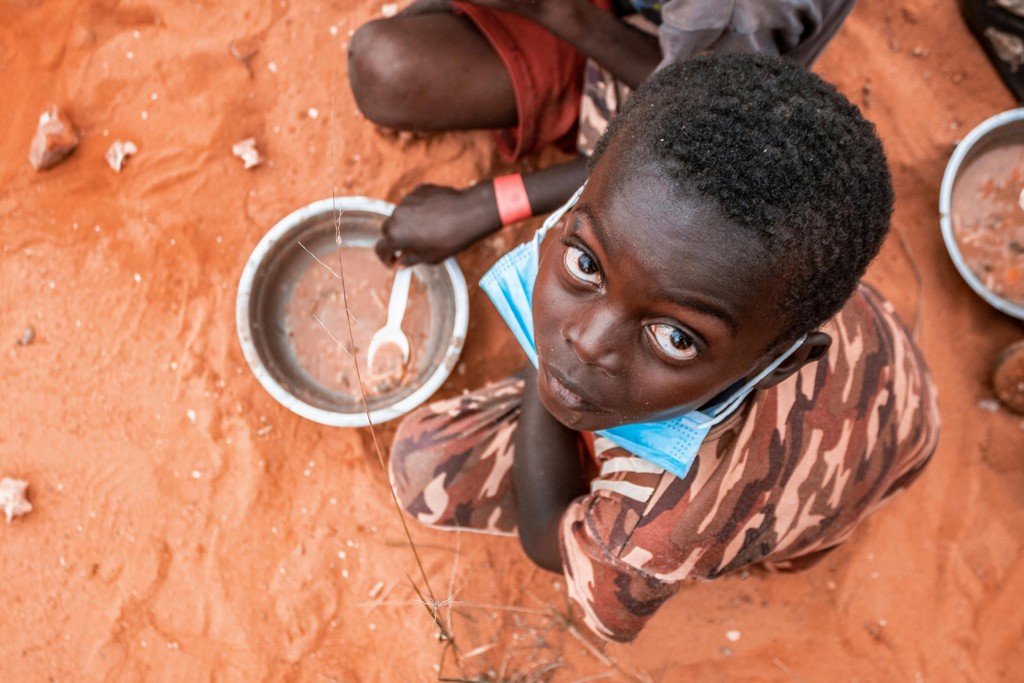
Between January and October 2022, the Horn of Africa experienced its fifth consecutive drought and reported outbreaks of anthrax, measles, cholera, yellow fever, chikungunya, meningitis, and other infectious diseases, which accounted for more than 80% of all acute public health events. The drought led to heightened food insecurity and to 4.5 million new climate refugees seeking food and water, making them more vulnerable to both disease outbreaks and malnutrition.

WHAT NEXT FOR AFRICA?
African-led initiatives will be critical in addressing these challenges and shaping the region’s health future. Through such initiatives, Africa will build on its economic, green and health achievements to make the African Union’s Agenda 2063 a reality.