Energy and Green Industrialisation

Africa’s energy challenge is two-pronged: widespread energy access deficit and worsening vulnerability from fossil fuel dependence. Over 600 million people on the continent, mostly in rural areas, lack access to electricity. This makes Africa home to over 80 percent of the global population without electricity access. The severe energy poverty has been a major hindrance to industrial growth and social development.

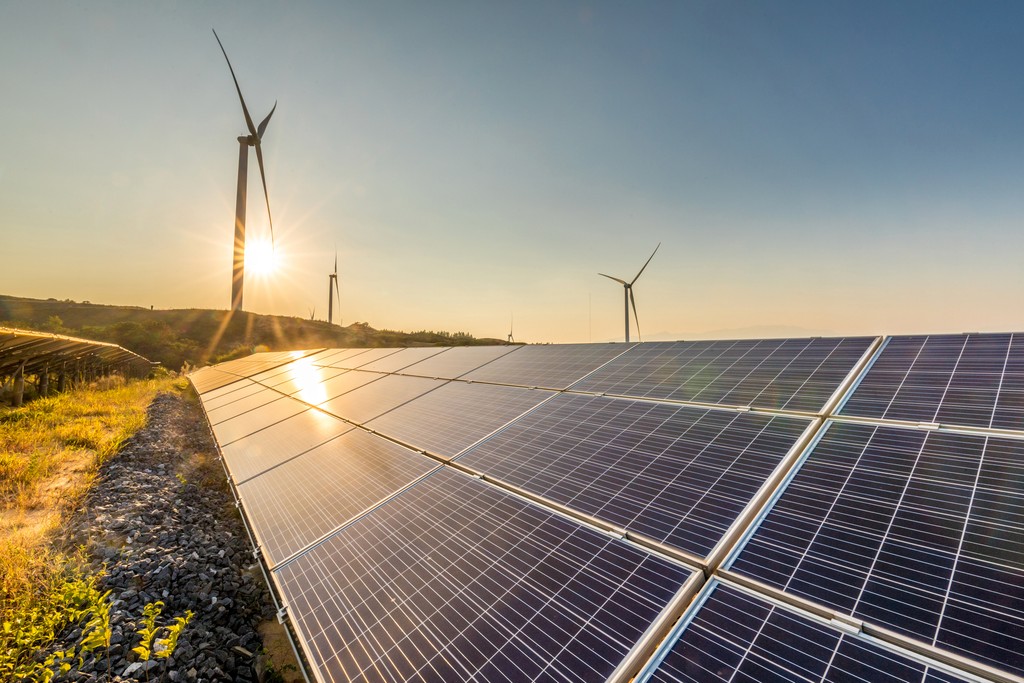
Renewable Energy. Solar and wind tubines

BACKGROUND

Renewable energy offers a strategic opportunity to help close the energy access gap, reduce fossil fuel vulnerability, and drive green industrialisation, creating jobs and improving productivity. The continent’s vast renewable energy resources, coupled with the falling cost of renewable energy technologies and limited legacy energy infrastructure, make it opportune to leapfrog to cleaner, more competitive energy systems.

Yet the deployment of renewables in Africa lags the rest of the world, constrained by weak institutions, regulatory uncertainty, and financing gaps. The right mix of policy strategies and initiatives can overcome these challenges, including integrated electrification, stronger regulatory and institutional frameworks, grid modernisation, regional power pooling, and scaled blended finance instruments.

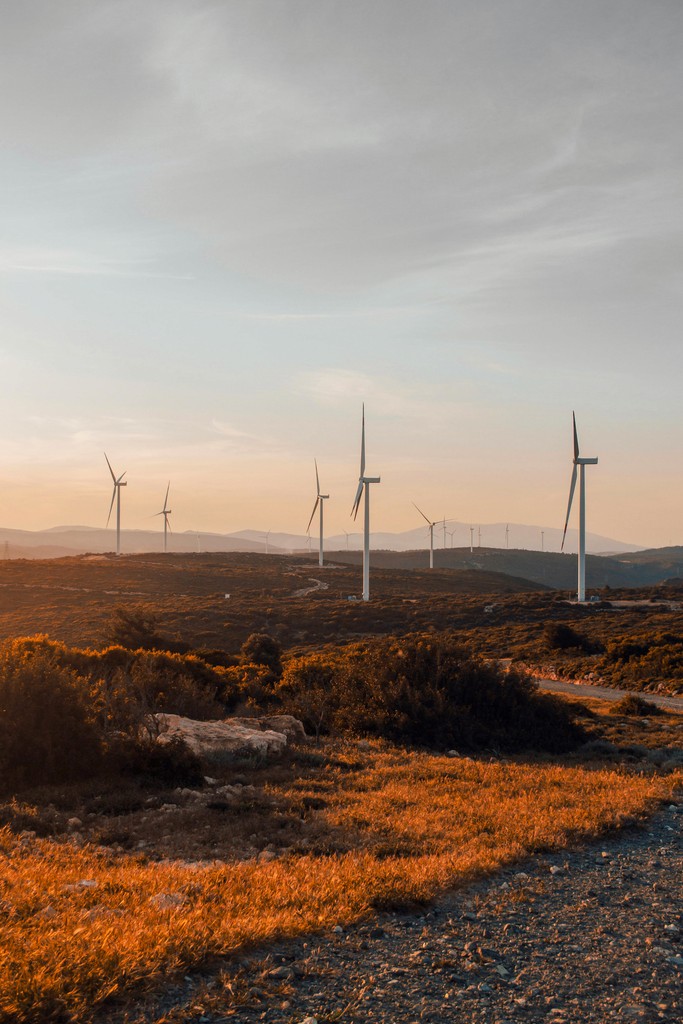
Wind turbines

DEEP DIVE

The vast majority of the colossal amount of energy needed to transition economies has historically come from fossil fuels, first coal and then oil. In addition, the technological enablers of industrialisation and many of its products are reliant on fossil fuels. It is this reality which has, of course, resulted in the climate crisis.

"Green industrialisation at its best aims to build green economies that are low carbon, resource efficient and, importantly, socially inclusive."

As the process of industrialisation has resulted in massive developmental gains for most people living in industrialised societies, there is now a concerted global effort to ‘green’ industrial processes to continue contributing to development while imposing much less environmental cost.

Green industrialisation aims to make structural changes to how products and services are produced and delivered to avoid, mitigate, reduce, and potentially eliminate environmental externalities, enabling us to live within planetary boundaries.

Given that most African economies continue to produce and export primary goods, the ongoing industrial sustainability agenda presents Africa with a unique opportunity to redefine its development trajectory through green industrialisation.

With its abundant natural resources, vast renewable energy potential, and a young and growing population, Africa holds many of the key ingredients needed to lead green industrialisation. In effect, it presents Africa with a chance to avoid the negative environmental impacts of historic fossil-fuel-based industrialisation and to advance much more environmentally sustainable industrial development economies that are genuinely socially inclusive.

Solar Panels

WHAT NEXT FOR AFRICA?

Africa is undoubtedly at a historic crossroads in terms of economic development and industrialisation. A crossroads that offers Africa a choice between replicating the social and environmental problems characterised by 20th-century fossil-fuel-based industrialisation or building modern, socially inclusive green industrial economies fit for the 21st century. In strongly advocating an Afrocentric and Pan-African vision for the latter choice, the AGII must be commended.

/ More Project

Adaptation and DRR

/ More Project

Adaptation and DRR